
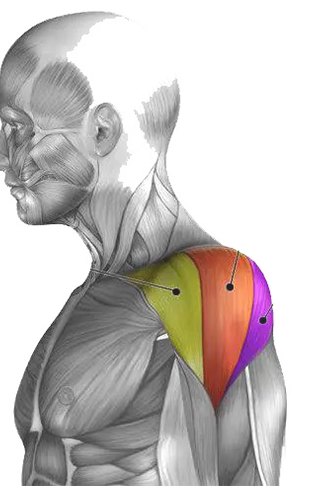
Shoulders anatomy
The deltoid wraps the shoulder in three heads that face front, side and back. Rounded, balanced shoulders come from giving each head its own movement rather than pressing alone, which mostly hits the front.
Jump to: Front (anterior) deltoid · Side (lateral) deltoid · Rear (posterior) deltoid
Front (anterior) deltoid
Lifts the arm forward and helps every press. It already gets plenty of work from chest pressing, so it needs the least direct volume.

The Barbell Standing Close Grip Military Press primarily targets the anterior (front) deltoids, which are the front muscles of the shoulders.

The Dumbbell Seated Shoulder Press primarily targets the anterior (front) and middle deltoids of the shoulders.
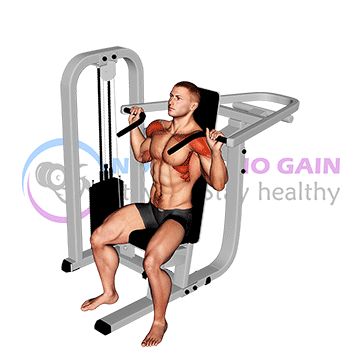
The Lever Seated Shoulder Press primarily targets the anterior (front) and middle deltoid muscles of the shoulders.
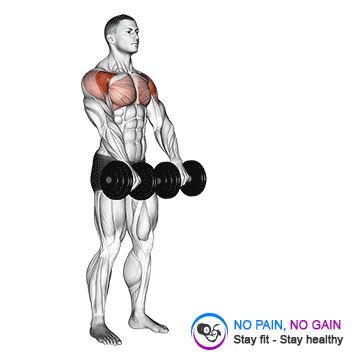
The Dumbbell Front Raise is an exercise that primarily targets the anterior (front) deltoid muscle of the shoulders.
Side (lateral) deltoid
Lifts the arm out to the side and creates shoulder width. Lateral raises and upright rows with the elbows leading train it best.

The Lever Seated Shoulder Press primarily targets the anterior (front) and middle deltoid muscles of the shoulders.
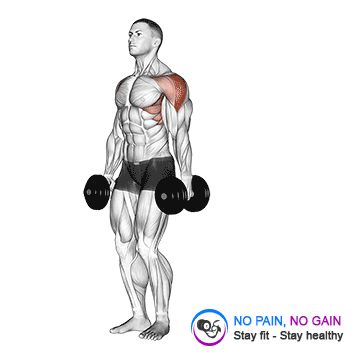
The Dumbbell Lateral Raise is an exercise primarily targeting the middle deltoid muscle of the shoulder.
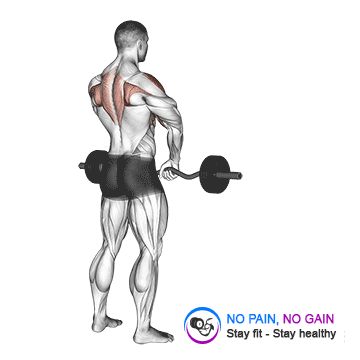
The Barbell Upright Row primarily targets the muscles of the shoulders, specifically the anterior (front) and middle deltoids.

The Cable One Arm Lateral Raise is an exercise primarily targeting the lateral (side) deltoid, which is part of the middle portion of the shoulder muscles.
Rear (posterior) deltoid
Pulls the arm back and out. Reverse flyes and face pulls; the head most people under-train, and the one that fixes rounded posture.
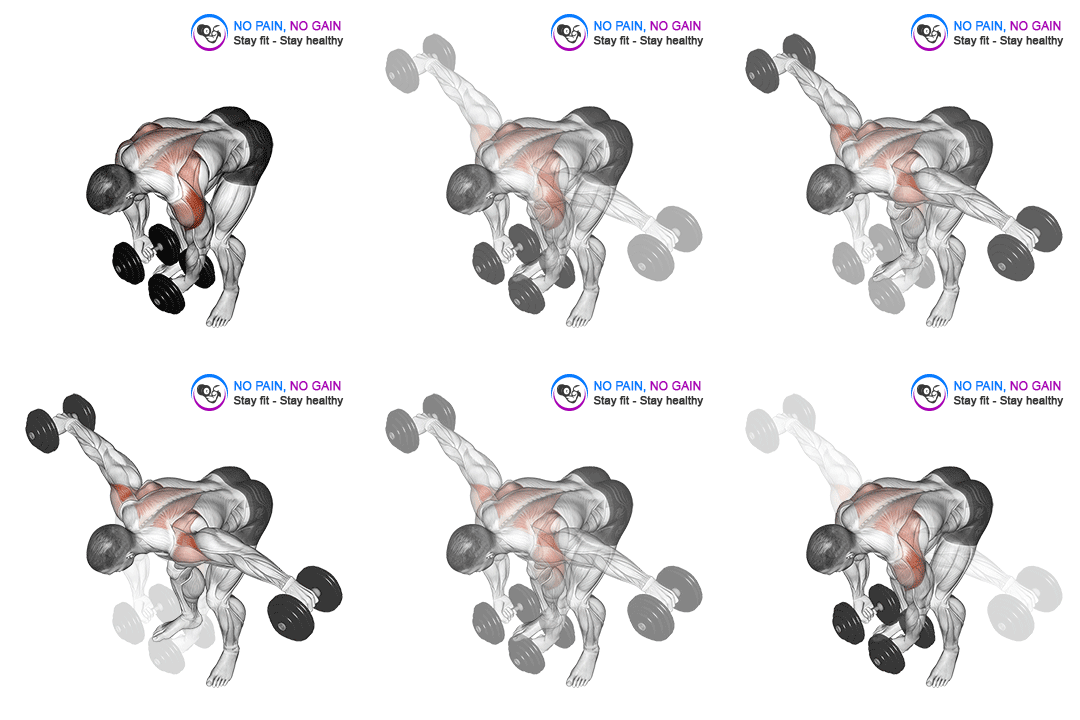
The Dumbbell Rear Lateral Raise primarily targets the posterior (rear) deltoid muscles of the shoulders.

The Dumbbell Rear Fly is an exercise that primarily targets the posterior deltoid muscle of the shoulders.

The "Cable Crossover Reverse Fly" is primarily a posterior (rear) shoulder exercise.
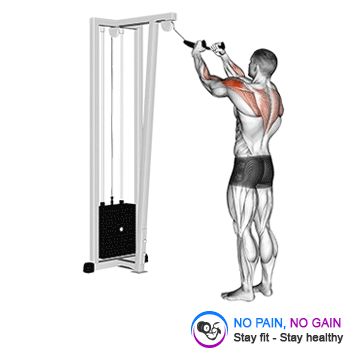
The Cable Rear Delt Row with rope is primarily a posterior (rear) shoulder exercise.
Shoulders — common questions
Tap any muscle on the interactive atlas to see exactly where it is, what it does and every movement that trains it — plus AI food scanning and a diet plan sized to your numbers.

More muscle guides: Chest · Back · Biceps · Triceps · Free tools: BMI · Calories & macros
Educational content — not medical advice. Exercise demonstrations and region data come from our apps' exercise library.
← Anatomy